
VINCENT DIVISION OF REPRODUCTIVE EMBRYOLOGY AND INFERTILITY
AI Joins the Embryology Team
A powerful new in-vitro fertilization (IVF) tool — artificial intelligence (AI) — is showing potential for assisting MGH embryologists in selecting embryos most likely to result in a successful pregnancy. Vincent faculty and fellows in the Mass General Fertility Center are partnering with software and biomedical engineers. Together they are leveraging image-based technology — which can evaluate the morphological features of each embryonic stage of development with greater consistency than the human eye — and integrating these images with datasets from thousands of past IVF patients. Used in tandem with traditional visual evaluations, preliminary studies show these “machine learning” neural-network models can improve the success rate for selecting embryos with the best potential for implantation, resulting in a healthy baby. Below are nine key areas in which AI is proving to be valuable.
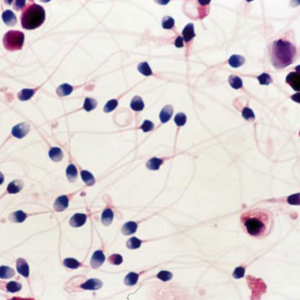
1 SEMEN ANALYSIS
AI imaging helps assess sperm specimens for concentration, motility, morphology and viability. The MGH team also has created a sperm-counting device used with a smartphone.
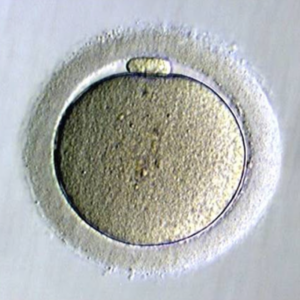
2 OOCYTE QUALITY
After the retrieval of oocytes (eggs), AI imaging is useful for analyzing stages of oocyte maturity and identifying those with the greatest fertilization potential.

3 ICSI ALIGNMENT
In the fertilization step called intracytoplasmic sperm injection (ICSI), AI is helpful for identifying the optimal pipette entry point to inject the sperm into the oocyte.
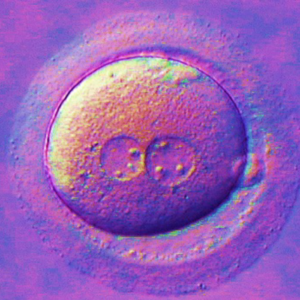
4 FERTILIZATION ASSESSMENT
Imaging integrated with AI provides embryologists an extra set of eyes to determine if pronuclei formation after insemination is normal or abnormal.
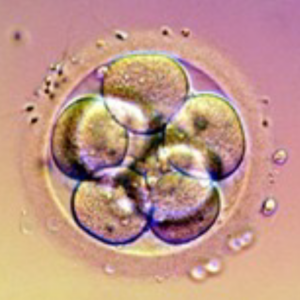
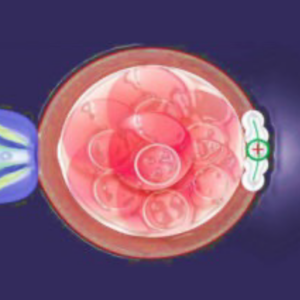
5 CLEAVAGE DEVELOPMENT
Cleavage-stage embryos are assessed on day 3 of development for their potential of becoming a high-quality blastocyst.
6 BLASTOCYST GRADING
By day 5, the embryo is a blastocyst, which is transferred to the uterus or frozen for later transfer. AI helps grade the inner cell mass and the trophectoderm cells, which become the placenta.

7 LASER-ASSISTED HATCHING
With 99.87% accuracy, AI helps embryologists locate the best place on the embryo’s outer shell to direct a laser, creating a small hole to facilitate hatching and implantation.

8 GENETIC SCREENING
Blastocysts may be invasively screened by extracting DNA from the embryo or aided by AI to noninvasively predict chromosomal abnormalities.

9 EMBRYO TRANSFER AND TRACKING
Al helps select embryos with the best implantation potential. Similar to facial-recognition systems, AI also tracks unique features on each embryo to correlate it with a specific patient.